
How Do You Plan a Complete JMac Build Before the Parts Are Gone?
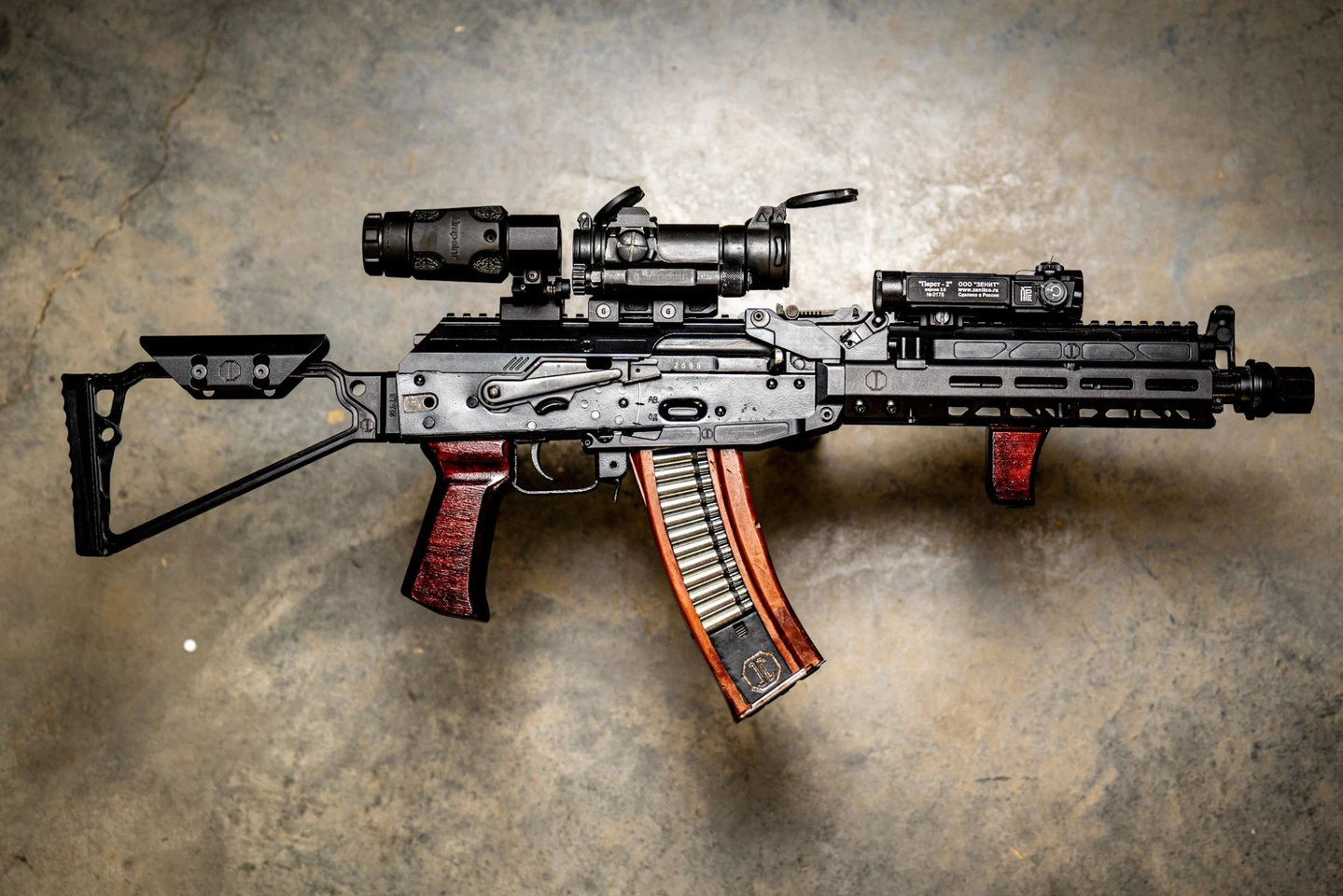
An AK build rarely stalls because you can’t find a single cool part. It stalls because the parts don't work together as a complete system. The handguard needs the correct host interface and mounting hardware. The muzzle device needs the right thread pitch and suppressor ecosystem. The rear furniture needs the exact receiver adapter and mount. One wrong assumption can turn an exciting project into a box of useless parts sitting on your workbench.
That’s why our Build It While It’s In Stock approach focuses on complete setups. It’s not about rushing to buy random inventory—it’s about locking down a fully compatible system while all the matching pieces are available together.
1. Start With the Host, Not the Accessory
Before picking a handguard, stock, muzzle device, or suppressor mount, identify your exact firearm. Write down the manufacturer, model, caliber, receiver pattern, rear trunnion/end-cap configuration, muzzle thread, and any existing modifications. "AK" is never a complete description.
A WASR-10, SAM7K, ZPAP92, standard AKM-pattern rifle, and roller-lock clone each require vastly different interfaces—even when the end goal looks similar on screen. Host-first planning prevents the single most common mistake in custom firearms builds: selecting a visible component before confirming the exact part that connects it to your gun.
2. Build the Front End as an Integrated System
For an AK-pattern front end, the handguard is your foundation, but it isn't the only decision you'll need to make. The lower mount, upper gas-tube, accessory placement, sling attachments, handstop, grip, dust cover, and optic setup all interact with one another.
- Plan your support-hand position first.
- Map out accessory real estate: Determine exactly where your light, cable management, sling attachment, and optic need to sit.
A clean build gives every component a dedicated job. It doesn't fill every available slot just because rail space exists.
3. Choose the Suppressor Ecosystem Before the Muzzle Device
Thread pitch is only step one. The next question is what your muzzle device needs to connect to down the road. The JMac taper system, HUB-compatible setups, KeyMount (KeyMo), and brake-only configurations represent entirely different mounting ecosystems. A device that threads onto your barrel isn't automatically compatible with the suppressor or mount you plan to run.
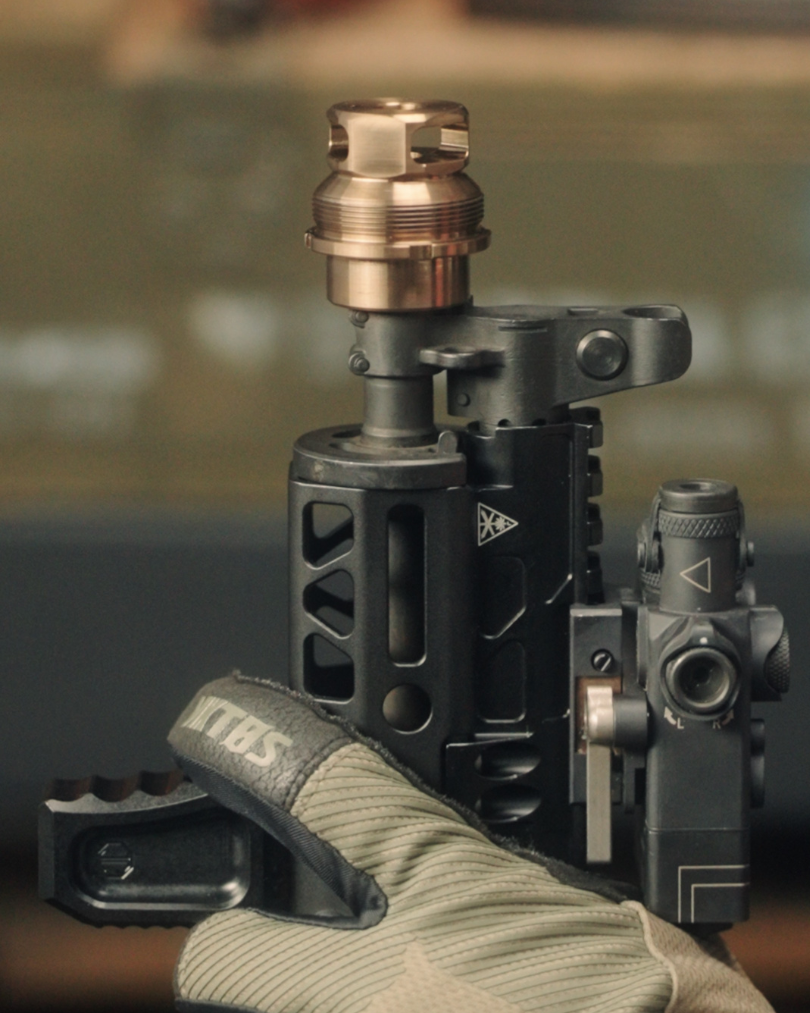
For AK suppressor setups, face alignment and bore alignment are critical:
- Verify your exact host and mount setup before buying.
- Install according to the product instructions.
- Check alignment with a quality alignment rod before firing a single round.
Crucial Fitment Note: If you are building around BANKA, keep in mind that BANKA uses the 360HD Micro HUB path, not the standard JMac taper system or KeyMo interface.
We always recommend having your muzzle devices installed by a certified gunsmith to ensure proper torque, shoulder fitment, and concentricity with your suppressor.
4. Finish the Rear in the Right Order
A modular rear system follows a sequential mounting chain:
- Firearm-specific rear adapter
- 1913 interface (where applicable)
- Folding mechanism (if desired)
- Stock, Stock/Brace Combo, or Arm Bar
Confirm every connection in order before choosing stock length, cheek rise, color, or butt-pad options. Picking your favorite stock first doesn't answer whether your receiver can physically accept the adapter required to mount it.
5. Use Availability as a Planning Signal
Specialized AK inventory moves quickly. The best way to avoid project delay is to verify that every required component in your chain is currently available before checking out.
Map out your entire build list first. Checking every dependent adapter, pin, and mount upfront ensures you won't end up with a half-finished rifle waiting months on a single backordered piece.
The Complete JMac Build Checklist
Before hitting "Place Order," run through this quick checklist:
- [ ] Host & Caliber: Confirmed exact firearm model, caliber, and trunnion pattern.
- [ ] Front End: Verified handguard, gas tube, and mount compatibility with the host.
- [ ] Muzzle Ecosystem: Matched barrel thread pitch to your intended suppressor system.
- [ ] Optic Path: Verified clearance between dust cover, rail mounts, and optics.
- [ ] Rear Chain: Accounted for every interface from receiver to stock.
- [ ] Hardware: Added all necessary fasteners, mounting plates, and accessories to the cart.
- [ ] System Availability: Confirmed all dependent items are currently in stock.
A complete build isn't the one with the most parts attached—it’s the one where every interface has been accounted for before the first box arrives at your door.
Start with your exact host, map your system from the receiver outward, and shop complete JMac build components at JMac-Customs.com. Always check product pages for detailed fitment notes before placing your order.
Explore Popular Articles
How Do You Build a Complete 1913 Rear System?
When fully assembled, a firearm’s rear setup looks straightforward. Before installation, however, it...
What Is the Difference Between 24x1.5 RH and 26x1.5 LH AK Mounts?
The difference is more than two millimeters and a thread direction. The 24x1.5 RH and 26x1.5 LH patt...
HUB vs Taper vs KeyMount: Which Muzzle Device Path Do You Need?
HUB, taper, and KeyMount are not three names for the same connection. They describe different suppre...
What Fits a 14x1 LH AK Muzzle?
The short answer is that many standard AKM-pattern rifles, including a typical WASR-10, use 14x1 lef...